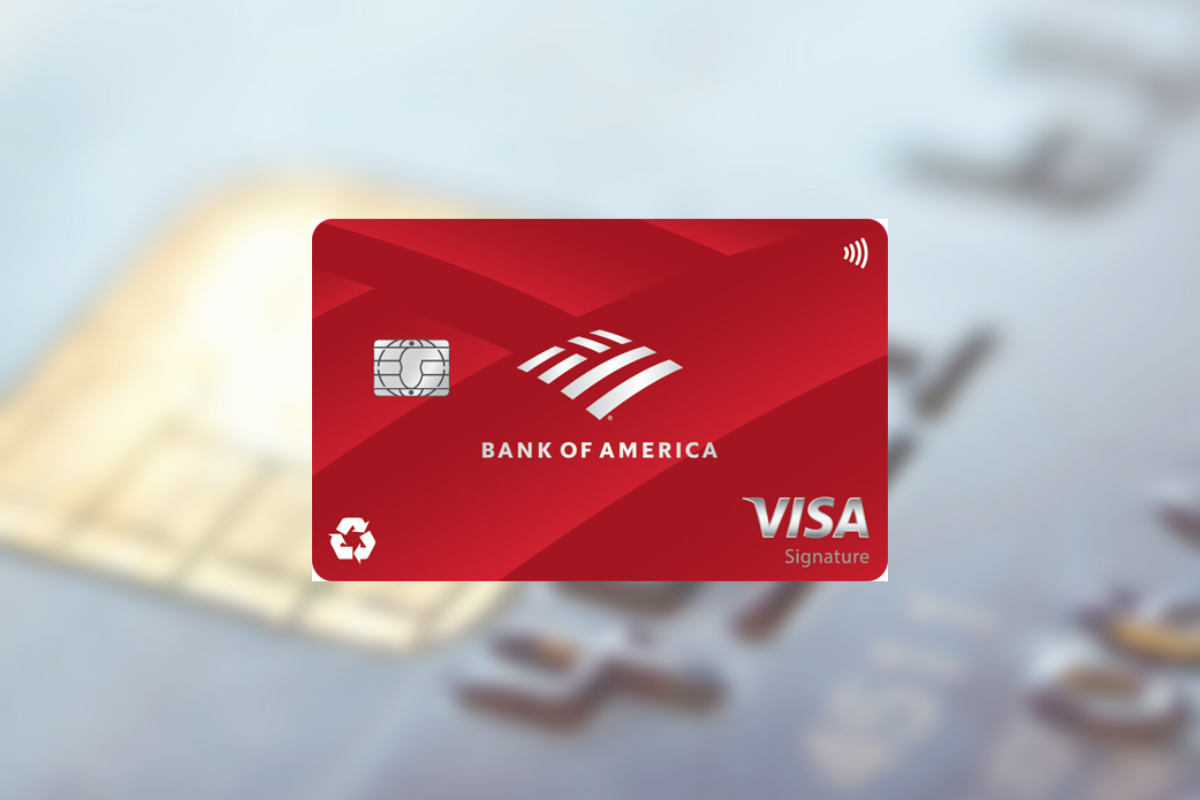
Credit Cards for Students: Building Credit Early
The Journey to Financial Savviness
As you step into college life, you find yourself embracing newfound independence and facing essential responsibilities, including managing your finances. One pivotal aspect of personal finance that often goes overlooked is the significance of building a credit history. Establishing good credit early can set you up for long-term financial success and ease various financial transactions down the line.
Credit cards for students serve as valuable tools in this journey. They not only help in developing credit history but also play a crucial role in teaching financial responsibility. Here are some key benefits of obtaining a credit card as a student:
- Builds credit history: Using a credit card responsibly allows you to create a positive credit record. For example, if you keep your balance low and pay your bills on time, you enhance your credit score, which future lenders, such as banks or mortgage companies, will review when assessing your creditworthiness.
- Teaches financial discipline: Managing payments and keeping within your budget helps instill good money habits. You learn the importance of tracking your spending versus your available credit. Developing awareness of your financial state encourages prudent decision-making.
- Emergency funding: A credit card can provide a financial cushion in case of unexpected expenses, like a medical bill or car repair. Having this safety net can offer peace of mind and allow you to manage emergencies without crippling stress.
Choosing the right card is crucial in maximizing its benefits. Here are a few tips to help you select and effectively use a student credit card:
- Look for no annual fees: Many student credit cards come with no annual fees, which is particularly important for college students on a tight budget. Avoiding extra costs helps keep your financial strategy on track.
- Consider rewards: Some cards offer cash back or discounts on everyday purchases, like groceries or gas. For instance, a card that gives you 1% cash back can make your spending rewarding and can provide savings in the long run.
- Monitor your spending: Always track your expenses to avoid overspending and incurring unnecessary interest charges. Many credit card companies provide online tools and apps to help you stay informed about your spending patterns, which empowers you to maintain your budget effectively.
By recognizing the importance of credit cards and practicing responsible credit management, students set themselves up for a successful financial future. Establishing good habits early equips you with the knowledge and skills needed to navigate the complexities of personal finance, allowing you to build a solid foundation for your financial health as you transition into adulthood.
DISCOVER MORE: Click here for details on the Secured Chime Credit Builder Visa Credit Card
Understanding Credit Fundamentals
The concept of credit is foundational to personal finance, especially for young adults like students who are just beginning their financial journeys. Credit refers to an agreement that allows individuals to borrow money with the expectation of repayment. This stems from the lender’s trust in the borrower, largely based on their credit history, which is a detailed record of how they handle debt and financial obligations.
One of the major components influencing your credit score includes your payment history, which accounts for 35% of your total score. Timely payments reaffirm your reliability to lenders. Next, your credit utilization ratio, which means how much credit you’re using compared to your total available credit, plays a crucial role as well. This ratio should ideally be kept below 30% to show lenders that you are managing your credit responsibly. Other contributing factors to your credit score include the length of credit history, the types of credit accounts you have, and new credit inquiries.
For students, the journey to building credit typically begins with cautiously using a credit card, a tool that can either positively or negatively affect your financial picture. Let’s delve deeper into ways students can leverage credit cards to construct a solid credit profile:
1. Know Your Credit Score
Your credit score, a three-digit number ranging from 300 to 850, is essential in demonstrating your creditworthiness to potential lenders, including banks and credit card companies. A higher score reflects a greater likelihood of receiving loans at favorable interest rates. As a responsible student, it’s wise to regularly check your credit score and understand the various factors that influence it. Various online platforms, such as Credit Karma or AnnualCreditReport.com, offer free credit score checks. By monitoring your score, you enable yourself to make informed decisions that can positively impact your finances down the line, particularly when applying for significant loans like student loans, auto loans, or mortgages.
2. Responsible Spending Practices
Engaging in responsible spending practices is fundamental when using a credit card. Here are some practical strategies to keep your spending in check:
- Stay within a budget: Establish a monthly budget, taking into account your expected income and spending needs. For example, if your monthly income is $1,000 from part-time work, limit your credit card expenditures to no more than 30% of that amount—around $300. Having a budget helps you track your spending and reinforces discipline.
- Make timely payments: Always prioritize on-time payment of your credit card bill. Late payments not only incur penalties but can also severely damage your credit score. To simplify this, you might consider setting up automatic payments through your bank to ensure bills are paid on time without any manual intervention.
- Avoid maxing out your card: Keeping your credit utilization ratio low, ideally under 30%, is crucial. For example, if you possess a credit limit of $1,000, try to maintain your balance below $300. This practice signals to lenders that you can manage credit responsibly and can enhance your overall credit rating.
Implementing these strategies will not only improve your credit score but will also foster a positive financial reputation. The habits you cultivate during your college years are critical; they lay the groundwork for your future financial stability. Thus, developing a strong sense of financial responsibility now can lead to a wealth of opportunities later on.
DISCOVER MORE: Click here to learn about the impact of mental health on financial choices</a
Leveraging Credit Cards for Education and Growth
Once you understand the fundamentals of credit and have adopted responsible spending practices, the next step is to leverage your credit card as a tool for financial education and growth. Credit cards, when used wisely, can serve as a springboard into broader financial literacy and opportunities. Here are several ways students can maximize their credit card experience:
1. Use Your Credit Card Wisely
Choosing the right credit card is essential for students. Look for cards designed specifically for students, which often come with features such as lower interest rates, no annual fees, and rewards for responsible use. Some banks even offer incentives like cashback on purchases or points that can be redeemed for travel or merchandise. This positive reinforcement can encourage students to use their cards strategically.
2. Taking Advantage of Rewards Programs
Many credit cards include rewards programs that can benefit students significantly. When used correctly, students can earn points or cashback on their purchases, which can offset costs. For example, if you regularly spend on groceries, a card offering 2% cashback on grocery purchases could help you save money over time. However, it’s crucial to remember not to overspend to earn these rewards, as exceeding your budget can lead to debt.
3. Establishing an Emergency Fund
Instead of viewing your credit card solely as a payment method, consider it a potential resource in emergencies. If you encounter unexpected expenses—like a medical bill or car repair—having a credit card allows for immediate access to funds. However, it is essential to prioritize repayment as soon as possible to avoid accruing high interest charges. This practice can also demonstrate to lenders that you are capable of handling unexpected financial burdens responsibly.
4. Enhance Your Financial Literacy
Using a credit card can serve as a valuable learning experience. Students should take the initiative to educate themselves about interest rates, fees, and best practices for managing credit. Many resources are available online, including blogs, webinars, and financial literacy courses offered by schools or community organizations. By filling your knowledge gaps, you can create plans to pay off the balance in full every month and avoid interest charges, reinforcing healthy financial habits.
5. Keep Communication Open with Your Lender
Establishing a relationship with your credit card issuer can pay dividends. Should you face financial hardships or find yourself unable to make a payment, communicating early can help you avoid fees and potential damage to your credit score. Most lenders offer temporary relief programs, such as deferred payments or modified payment plans for students experiencing financial difficulties. Maintaining transparency with your lender is key in managing your credit effectively.
In summary, a credit card can be an indispensable tool for students aiming to build strong credit histories. By using credit cards wisely, taking advantage of rewards, establishing emergency funds, enhancing financial literacy, and maintaining open communication with lenders, students can navigate their financial futures with confidence. The habits and knowledge you develop during your college years will serve as the foundation for your financial stability and success in the long run.
LEARN MORE: Click here for a step-by-step guide
Conclusion: Setting the Stage for Financial Success
In conclusion, the strategic use of credit cards can serve as a powerful stepping stone for students aiming to build a solid credit history and sound financial habits early on. By selecting student-friendly credit cards with favorable terms, engaging with rewards programs, and responsibly managing spending, students can cultivate a positive relationship with credit that benefits them in the long run. It is also essential to recognize the importance of establishing an emergency fund and enhancing financial literacy through education and practical experience.
Additionally, open communication with lenders is paramount. Early discussions about any financial struggles can pave the way for helpful solutions, helping students avoid the pitfalls of debt and maintain a healthy credit score. As students navigate their academic and personal spending, they should see credit cards not just as tools for transactions, but as avenues for learning and growth.
Ultimately, the habits formed during these formative years will lay the groundwork for a lifetime of financial stability and success. By taking proactive steps now, students can ensure that they enter adulthood equipped with the knowledge and tools necessary to thrive in an increasingly complex financial landscape. Embrace the journey of financial education, and remember: it’s never too early to start building the credit history that will open doors to future opportunities.

Linda Carter
Linda Carter is a writer and financial expert specializing in personal finance and financial planning. With extensive experience helping individuals achieve financial stability and make informed decisions, Linda shares her knowledge on the our platform. Her goal is to empower readers with practical advice and strategies for financial success.