
Budgeting and Sustainability: Methods to Incorporate Ecological Practices into Your Financial Planning
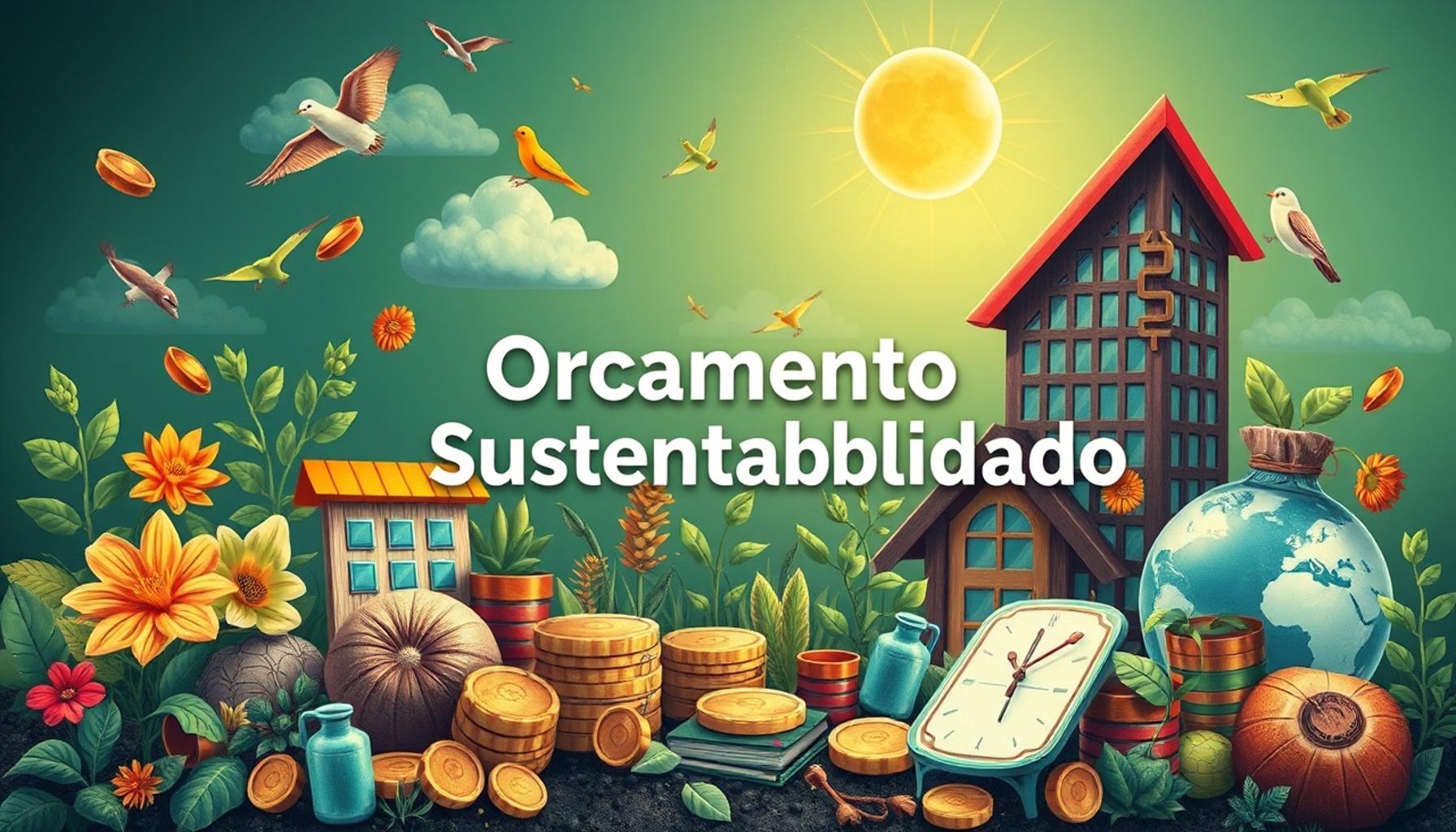
Understanding the Need for Financial Sustainability
As we navigate through an era marked by climate change and ecological degradation, the importance of aligning our financial planning with sustainability practices has never been more evident. Individuals are beginning to recognize the responsibility they bear not just to their wallets, but also to the planet. Integrating sustainability into financial habits is a step towards creating a healthier future for both individuals and communities.
Key Steps to Creating a Sustainable Budget
To effectively incorporate sustainability into your financial planning, it is essential to take practical steps that are manageable and impactful. Here are some key methods to start your journey:
- Track your expenses: One of the most fundamental steps in sustainable financial planning is understanding your spending habits. By meticulously tracking where your money goes, you can identify areas where you can cut back. For instance, if you notice a recurring expense at coffee shops, consider brewing your own coffee at home using a locally sourced, sustainable coffee brand.
- Embrace local products: Supporting local businesses not only helps reduce your carbon footprint by minimizing transportation emissions but also bolsters the community’s economy. By choosing to shop at farmers’ markets or local boutiques, you contribute to a more sustainable economic cycle. In Canada, many provinces have programs that promote purchasing local goods, benefiting both your wallet and the environment.
- Make conscious energy choices: Energy efficiency is a crucial aspect of sustainable living. Investing in energy-efficient appliances, such as Energy Star-rated refrigerators or LED lighting, can lead to significant savings on your electricity bills while reducing resource consumption. Additionally, initiatives like the Canadian federal government’s home retrofit programs can provide rebates to homeowners willing to upgrade to greener technologies.
- Incorporate green investments: Another way to align your finances with sustainability is to consider environmentally conscious investment options. Sustainable mutual funds, which invest in companies committed to social and environmental responsibilities, or green bonds that fund projects aimed at climate change mitigation, can yield competitive returns while promoting sustainability.
Making a Difference, One Step at a Time
Every small change in your financial approach can lead to a significant impact over time. By adopting these practices, you not only work towards meeting your financial goals but also contribute positively to the planet. Remember, the way we spend, invest, and plan financially shapes our world. Therefore, understanding how to effectively incorporate sustainable choices into your financial plan is paramount in fostering a more responsible lifestyle.
Ultimately, as we learn and grow in our understanding of sustainability’s role in financial planning, we become better equipped to make informed decisions that benefit not just ourselves, but our communities and the environment as well. With concerted effort and mindful choices, each of us can help pave the way toward a greener, more sustainable future.
DIVE DEEPER: Click here for more information
Practical Strategies for Sustainable Budgeting
Integrating ecological practices into your financial planning is not just a lofty ideal; it can be a practical reality with the right strategies. By adopting sustainable budgeting methods, you can make conscientious financial choices that benefit both your wallet and the environment. Here are some actionable strategies to consider:
- Set clear financial goals: Begin by defining what financial sustainability means for you. Are you looking to save for a new home, fund a sustainable business venture, or simply cut down on unnecessary expenses? Outline specific, measurable goals to help you stay focused. For instance, you might aim to reduce your monthly spending by 20% while simultaneously increasing your investment in green initiatives such as renewable energy sources for your home or sustainable clothing brands. This kind of clarity not only provides motivation but also allows you to track your progress effectively.
- Prioritize sustainable expenses: Review your current budget and identify areas where you can allocate funds toward sustainable practices. This could include investing in public transportation instead of driving to cut down on fuel costs and emissions, purchasing organic produce from local farmers’ markets, or enrolling in community-supported agriculture (CSA) programs, which support local agriculture while ensuring you receive fresh, seasonal produce. These intentional choices not only promote environmental stewardship but also help stimulate the local economy, benefiting your community.
- Implement a ‘no-spend’ challenge: To encourage conscious spending, consider a ‘no-spend’ challenge for a week or a month. During this time, avoid purchases outside of necessities such as food and essential bills. This challenge can reveal your habitual spending patterns, compelling you to reassess your consumption. For instance, you might realize that you can enjoy social activities without spending money by hosting potlucks or game nights at home. This practice not only saves money but also fosters creativity and community engagement.
- Analyze subscription services: In today’s digital age, subscription services can add up quickly. Review all subscriptions—streaming services, magazines, and meal kits—and consider whether they provide long-term value. By cutting out any subscriptions that you don’t fully utilize, you can free up funds for more sustainable investments, such as purchasing low-waste products or supporting eco-friendly brands. For example, if you subscribe to multiple streaming services but only watch one, canceling the excess can provide added funds for a new book on sustainable living!
- Engage in mindful consumption: Before making a purchase, ask yourself if the item is truly necessary. By practicing mindful consumption, you avoid impulse buys that often lead to waste. Additionally, consider the longevity of products you buy; investing in durable, high-quality goods instead of cheap, disposable items can lead to long-term savings. For instance, investing in reusable shopping bags or glass containers not only contributes to waste reduction but ultimately saves money over time compared to continually purchasing single-use alternatives.
By implementing these practical strategies, you not only refine your budget but also positively contribute to the environment. Remember, small changes can accumulate over time and lead to significant financial and ecological benefits. As you embark on your sustainable budgeting journey, maintain a flexible mindset, which allows you to adapt and refine your strategies based on your evolving financial situation and commitment to sustainability.
Lastly, consider connecting with local groups or online communities that focus on sustainable living. Sharing experiences and strategies with like-minded individuals can provide inspiration and support as you work towards both your financial goals and environmentally friendly practices.
DISCOVER MORE: Click here to learn about checking your PIS balance
Leveraging Technology for Sustainable Financial Management
In today’s digital world, technology can play a significant role in enhancing your sustainable budgeting practices. Various applications and tools can help monitor your spending habits and make more eco-conscious decisions. Here are some tech-savvy methods to incorporate into your financial planning:
- Use budgeting apps: Consider downloading budgeting apps such as Mint or YNAB (You Need A Budget), which help you track your expenses and visualize your financial situation. These apps often categorize expenditures, making it easier to identify areas where you can implement greener choices. By monitoring your spending in real-time, you can steer your budget toward eco-friendly products and services, like electric vehicle subscriptions or shares in community gardens.
- Explore carbon footprint calculators: Many online tools can help you understand the environmental impact of your spending habits. By using a carbon footprint calculator, you can see how your lifestyle choices—including transportation, energy usage, and purchasing decisions—contribute to greenhouse gas emissions. This information can motivate you to shift your budgeting priorities toward more environmentally friendly options, such as investing in solar energy or energy-efficient appliances.
- Research local sustainability initiatives: Technological platforms can connect you with local programs aimed at sustainable living. Websites like Canada’s Green Communities Network offer resources and guidance for projects that reduce waste, promote local produce, and encourage energy conservation. By participating in these initiatives, you have the opportunity to benefit in ways that could reduce overall spending, such as cost-sharing for community solar panels or bulk purchasing of eco-friendly products.
- Incorporate online marketplaces for sustainable shopping: Websites like Etsy or local marketplaces often feature eco-friendly products from small businesses. By utilizing these platforms, you not only support local artisans but also reduce the carbon footprint associated with mass-produced goods. You can set your budget to prioritize purchases from these sellers while tracking your spending transparently.
- Set digital reminders for eco-savings: One of the simplest ways to stay on track with your sustainable budget is to use your smartphone’s calendar or reminder features. Schedule alerts for when to check in on sustainable goals, pay bills via paperless systems, or shop consciously for products that align with your eco-friendly values. This practice will keep sustainability top-of-mind, integrating it into your daily financial habits.
Embracing technology can enhance your awareness of spending patterns and their ecological implications. Not only does this foster better budgeting practices, but it also emboldens efforts to become a more conscientious consumer. By making informed choices through technology, your financial planning can effectively align with your personal values surrounding sustainability, ultimately aiding both your finances and the environment.
Investing in Sustainable Futures
Another critical aspect of sustainable budgeting is directing your investments toward environmentally responsible endeavors. As you review your savings and investment options, consider the following:
- Choose green investments: Look for investment funds that focus on sustainable companies or green technologies. Many banks and financial institutions now offer environmentally focused investment options, such as portfolios that include renewable energy projects or companies with strong ecological standards. This approach not only meets your financial objectives but can also impact wider ecological initiatives positively.
- Educate yourself about socially responsible investing (SRI): SRI combines financial returns with social and environmental responsibilities. Research different funds and their performances to understand how they align with your personal financial goals and sustainability values. Many Canadian investment firms already offer SRI options, ensuring you can grow your wealth ethically.
- Support local businesses: Consider redirecting your expenditures toward supporting local economy projects that promote sustainable practices within your community. Investing in community bonds or local co-ops can provide financial returns while fostering sustainable development in your area.
By prioritizing sustainable investments, you can put your money to work in ways that align with your ethical standards and contribute to a greener future. This not only helps secure your financial wellbeing but also drives positive change in society as a whole.
DISCOVER MORE: Click here to uncover the benefits
Conclusion
Incorporating sustainability into your budgeting practices is not only a responsible choice but also a rewarding one that can lead to both financial savings and positive environmental impact. By utilizing technology, you can easily monitor your spending and make informed decisions that align with your eco-friendly values. From budgeting apps that categorize your expenses to carbon footprint calculators that assess the environmental cost of your choices, these tools empower you to keep sustainability at the forefront of your financial planning.
Furthermore, directing your investments toward green opportunities can amplify your impact. Understanding and participating in socially responsible investing (SRI) enables you to grow your wealth while supporting companies that prioritize ethical practices. By choosing to support local businesses and community projects, you foster sustainable economic development in your area, creating a ripple effect that benefits not only you but also your community and the planet.
The journey toward eco-conscious budgeting might seem daunting, but starting with small, manageable changes can lead to significant outcomes over time. Consider setting specific sustainability goals within your budget, such as reducing energy consumption or prioritizing eco-friendly products. Remember, every financial decision carries weight, and by aligning your spending habits with ecological principles, you take an active role in promoting a healthier planet.
In conclusion, budgeting sustainably is an achievable goal that blends financial prudence with environmental responsibility. As you navigate your financial future, keep in mind that your choices can foster a greener tomorrow, ensuring that both your finances and the world around you thrive.

Linda Carter
Linda Carter is a writer and financial expert specializing in personal finance and financial planning. With extensive experience helping individuals achieve financial stability and make informed decisions, Linda shares her knowledge on our platform. Her goal is to empower readers with practical advice and strategies for financial success.