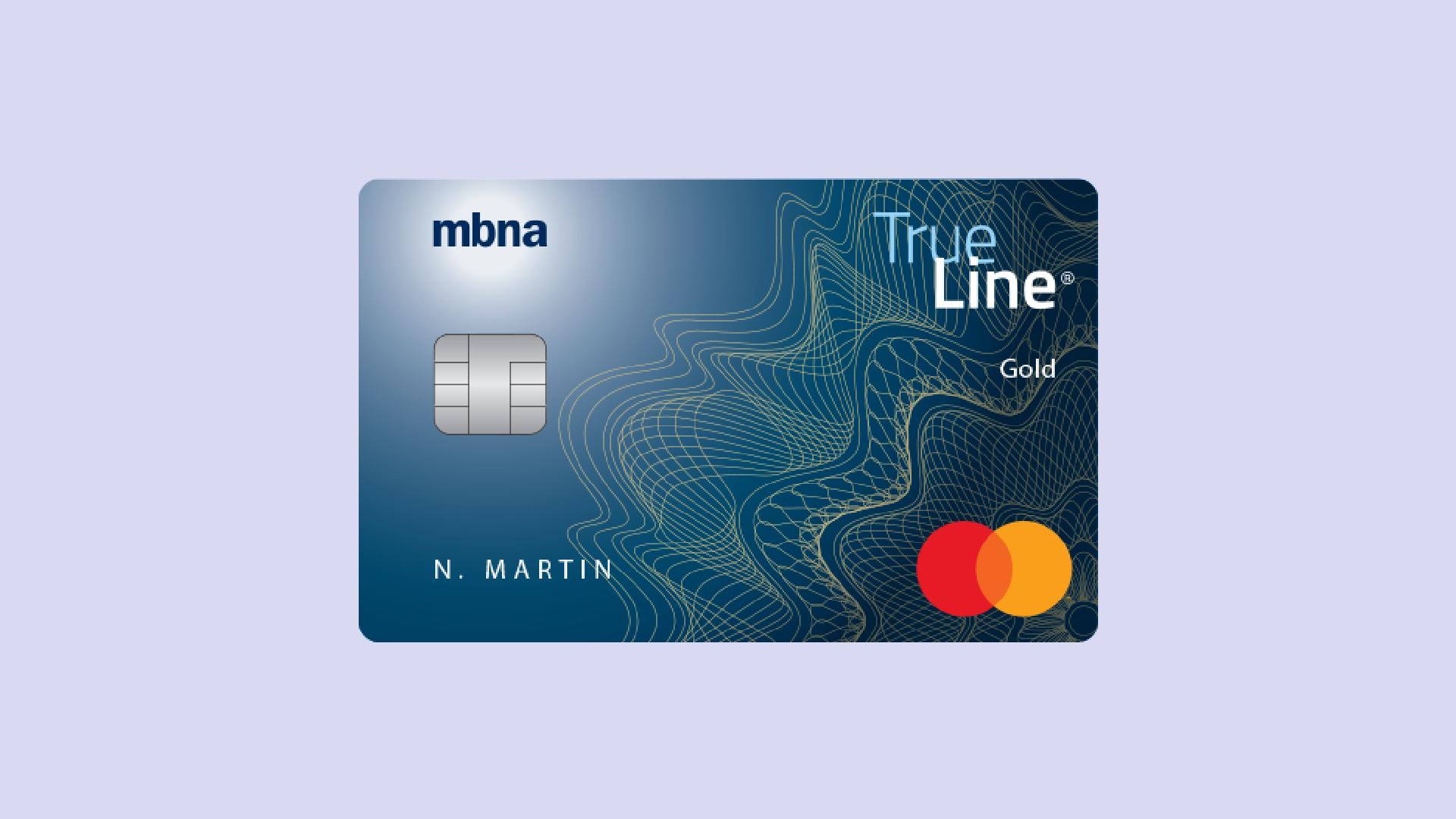
How to Choose the Ideal Credit Card for Your Lifestyle in Canada

Navigating the World of Credit Cards
The vast array of credit card options available can often leave consumers feeling lost. Each card comes with its own set of features, perks, and potential pitfalls, making the selection process crucial to maximizing your financial well-being. A carefully chosen credit card not only enhances your purchasing power but can also come with rewards and benefits that reflect your lifestyle and spending habits.
Key Considerations
When selecting the perfect credit card for your needs, it’s important to consider several key factors that directly influence how the card will perform for you:
- Spending Habits: Begin by analysing where you spend the most money. For instance, if you often find yourself dining out or ordering food takeout, a card that offers higher rewards on restaurant purchases may be beneficial. Conversely, if you’re a frequent traveler, seek out cards that provide significant travel rewards or discounts.
- Rewards and Benefits: Evaluate what type of perks align with your lifestyle. Some credit cards offer cashback on everyday purchases, while others provide rewards points redeemable for travel, merchandise, or gift cards. For example, a card with 1.5% cashback on groceries could save you more money if you’re a family-oriented shopper.
- Fees and Interest Rates: Always be vigilant about potential costs. Some cards come with annual fees that may not be worth it if the rewards don’t outweigh those costs. Additionally, examine the interest rates because carrying a balance could lead to significant debt if the rates are high.
Moreover, consider additional features that can enhance your credit card experience:
- Foreign Transaction Fees: This is especially important for those who travel internationally. Cards without these fees will save you extra costs when using your card abroad, making them ideal for travel enthusiasts.
- Credit Limits: A higher credit limit can not only provide added spending flexibility but also help with credit utilization rates, which can, in turn, positively impact your credit score.
- Insurance Benefits: Some cards come with built-in travel insurance, purchase protection, and extended warranties. These features can provide peace of mind, especially for larger purchases or planned vacations.
Ultimately, the aim is to select a credit card that aligns closely with your financial habits and offers maximum value in return. By reflecting on your individual lifestyle—be it frequent shopping, travel, or dining—you can confidently choose a credit card that complements your needs and supports your financial goals.
DISCOVER MORE: Click here to learn about Nubank credit card options
Understanding Your Needs and Priorities
When it comes to selecting the ideal credit card, understanding your own financial habits and priorities is essential. Each person’s situation and lifestyle are unique, and what works for one individual may not be suitable for another. To make a well-informed choice, consider the following aspects that can impact your decision:
1. Type of Card
There are several types of credit cards tailored to different needs. Basic cards provide essential features without many extra perks, making them suitable for those who want a simple payment method. On the other hand, premium cards come with various rewards and benefits but may charge higher annual fees. It’s important to determine which type aligns with your lifestyle. For example:
- Cashback Cards: If you prefer tangible rewards, cashback cards that offer a percentage back on purchases may resonate with you. These cards can provide significant savings on your everyday spending, especially if you are a frequent shopper.
- Travel Rewards Cards: For avid travelers, a card that accumulates points for travel bookings can be incredibly valuable. These cards often offer bonus points for travel-related expenses such as hotels and flights, allowing you to save on your next adventure.
- Student Credit Cards: If you are a student, consider a card designed specifically for your demographic. Student credit cards typically have lower fees and are more lenient regarding credit history, allowing you to build credit while managing your finances responsibly.
2. Payment Habits
Your payment habits play a crucial role in choosing a credit card. If you consistently pay off your balance in full each month, you might benefit from rewards cards that come with slightly higher interest rates, as you won’t incur any finance charges. However, if you tend to carry a balance, look for cards with lower interest rates to minimize your overall costs. For instance, a card with a 19.99% interest rate can lead to substantial debt if you’re not diligent about paying more than the minimum each month.
3. Additional Features
As you explore different credit cards, consider the additional features that may enhance your experience:
- Introductory Offers: Many credit cards come with enticing sign-up bonuses, such as extra points if you spend a certain amount within the first few months. These can offer a great reward when you first start using the card.
- Flexible Payment Options: Some cards allow you to choose your payment due date, giving you flexibility and better control over your finances.
- Online Management Tools: Look for cards that offer robust online platforms or mobile apps to easily track spending, manage payments, and monitor your rewards.
By understanding the types of cards available and assessing your payment habits and needs, you can begin to narrow down your options. This thoughtful approach will ensure that you select a credit card that not only fits seamlessly into your lifestyle but also works to enhance your financial well-being over time.
DISCOVER MORE: Click here to learn about personal loans
Evaluating Costs and Benefits
After determining your needs and priorities, the next step in the process of selecting the ideal credit card in Canada involves a careful evaluation of the card’s associated costs and potential benefits. It is crucial to balance offerings with expenses to ensure you truly benefit from your credit card choice.
1. Annual Fees
Many credit cards come with an annual fee, which can range from $0 for basic cards to upwards of hundreds of dollars for premium options. If you opt for a card with an annual fee, assess whether the rewards and benefits justify the cost. For instance, a travel rewards card charging $150 annually may be worth it if you travel frequently and can earn enough points to offset the fee. However, if your spending doesn’t change significantly, a no-fee cashback card might be the better choice.
2. Interest Rates
The interest rate associated with a credit card can have a substantial impact on your finances, particularly if you anticipate carrying a balance. Credit cards in Canada can have varying rates, and it’s important to understand these charges. A lower interest rate can mean savings in the long run if you occasionally carry a balance. Always check the card’s terms carefully, as many cards offer a promotional rate for a limited time before returning to a higher standard rate.
3. Foreign Transaction Fees
If you ever travel outside of Canada or make purchases in foreign currencies, be aware of foreign transaction fees. These fees typically range from 1.5% to 3% of the purchase amount. Some travel credit cards waive these fees to appeal to globetrotting consumers. If you plan to use your card for international purchases, consider prioritizing cards that do not impose foreign transaction fees, allowing you to save money while abroad.
4. Reward Redemption Options
One of the biggest attractions of credit cards lies in their rewards programs, but it is essential to comprehend how these rewards can be redeemed. Not all rewards are created equal. Some programs are more flexible, allowing you to redeem points for various options such as travel, merchandise, or even cash back. Others may restrict rewards to specific types of purchases or simply have complex redemption processes. Familiarize yourself with how rewards can be converted into something beneficial and assess the program’s overall value. This can help ensure that you maximize your rewards based on your spending habits.
5. Customer Support and Security Features
Lastly, customer support and security features should not be neglected. A reliable credit card company offers 24/7 customer service to assist you with issues like lost cards, fraudulent charges, or payment inquiries. Furthermore, look for cards that include fraud protection, zero liability policies, and enhanced security features, such as virtual card numbers for online shopping. These elements provide peace of mind and assist in safeguarding your financial information.
By thoroughly evaluating the costs associated with potential credit cards and understanding the benefits tied to each option, you can make a decision that aligns with your financial goals while also enhancing your lifestyle in Canada. This comprehensive approach contributes to making the most out of your credit card experience and ensuring that you’re well-equipped to navigate your financial responsibilities.
DISCOVER MORE: Click here for details
Final Thoughts
Choosing the ideal credit card for your lifestyle in Canada is a multifaceted process that requires careful consideration and research. By identifying your specific needs—whether they involve accumulating rewards, managing spending, or minimizing costs—you lay the groundwork for making a wise decision. Understanding the annual fees, interest rates, and foreign transaction fees associated with each card will help you gauge the overall value, ensuring you select an option that complements your financial habits.
Moreover, being aware of how to maximize rewards and effectively utilizing customer support and security features can further enhance your credit card experience. For example, if you frequently travel, opting for a travel card that offers valuable redemption options and waives foreign transaction fees could significantly benefit you. Conversely, if you plan to use a card primarily for daily purchases, a cashback card with no annual fee may serve you better.
Ultimately, your credit card should align with your everyday lifestyle and financial goals. Taking the time to analyze your spending patterns, comprehending the fine print, and evaluating different card offerings will empower you to make an informed choice. By doing so, you not only optimize your financial opportunities but also ensure that your credit card serves as a helpful tool rather than a source of stress. A well-chosen credit card can contribute to a more rewarding financial journey in Canada.

Linda Carter
Linda Carter is a writer and financial expert specializing in personal finance and financial planning. With extensive experience helping individuals achieve financial stability and make informed decisions, Linda shares her knowledge on our platform. Her goal is to empower readers with practical advice and strategies for financial success.